

China University of Petroleum–Beijing (CUP) has received approval from the Ministry of Education to establish the CUP–Tulsa International Energy College (CUP–Tulsa IEC) in partnership with the University of Tulsa. This approval marks a new breakthrough in China and Foreign countries’ Joint Higher Education Program, opening a new step forward in CUP’s international education initiatives and China–foreign cooperation in energy-related higher education.
The CUP-Tulsa IEC is the sole Ministry-approved Sino-foreign cooperative educational college in Beijing offering undergraduate and above-level programs in science and engineering. It will operate as a non-profit, non-independent legal entity affiliated with CUP, located at the main campus in Beijing. The college will offer four undergraduate programs: Petroleum Engineering, Chemical Engineering and Technology, Data Science and Big Data Technology, and Energy Economics. Enrollment is scheduled to commence in 2026, with an annual intake of 240 students (60 per major) and a maximum planned enrollment capacity of 960 students. Admission will be included in China’s national regular higher education enrollment plan, with recruitment targeting students nationwide.
The program follows a four-year “4+0” cultivation model, under which students will complete their entire studies at CUP. Students will be registered at both CUP and the University of Tulsa upon admission. Those who meet credit and degree requirements will receive an undergraduate diploma and bachelor’s degree certificate from CUP, as well as a Bachelor of Science degree conferred by the University of Tulsa.
The CUP-Tulsa IEC will integrate internationally advanced approaches to higher education and make full use of the strengths of Sino-foreign joint education, focusing on cultivating high-level, interdisciplinary talent for the energy sector—graduates with strong national commitment, a global outlook, innovative capacity, and cross-cultural communication skills, prepared to address complex engineering challenges and support the green and low-carbon energy transition.
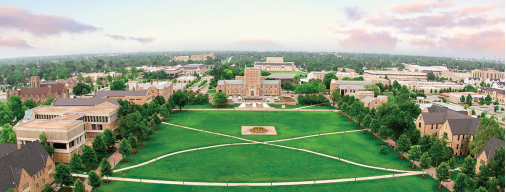
Founded in 1894, The University of Tulsa and is located in Tulsa, Oklahoma, a major energy-producing region in the United States. The university has received recognition in international and national rankings, including placement in the top 500 of the Times Higher Education World University Rankings (2023). In 2025, it was ranked 158th in U.S. News & World Report’s Best Colleges and 100th among Best Value Colleges. It has also been recognized by Forbes as one of the top 25 STEM universities in the United States. The university’s Petroleum Engineering major ranks third nationally (first among private universities) in the latest U.S. News rankings. The McDougall School of Petroleum Engineering, to which it belongs, rose to third place nationally (first among private universities) in the 2025 U.S. News Best Graduate Schools rankings.
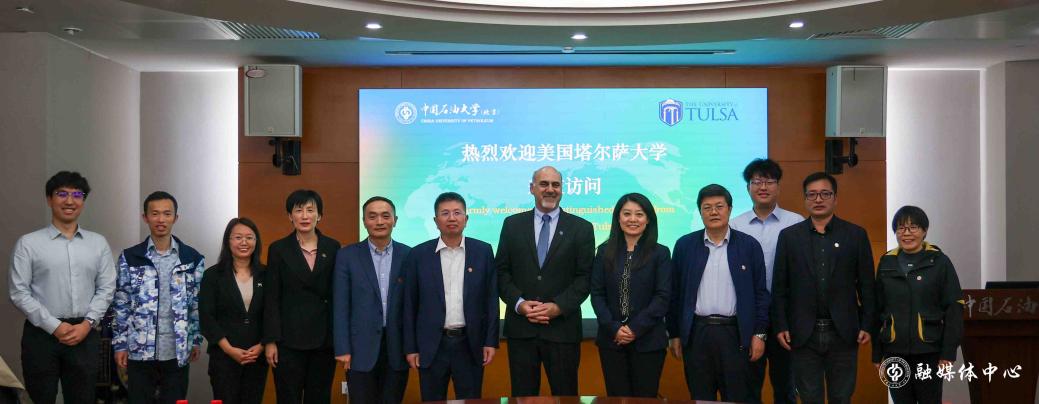
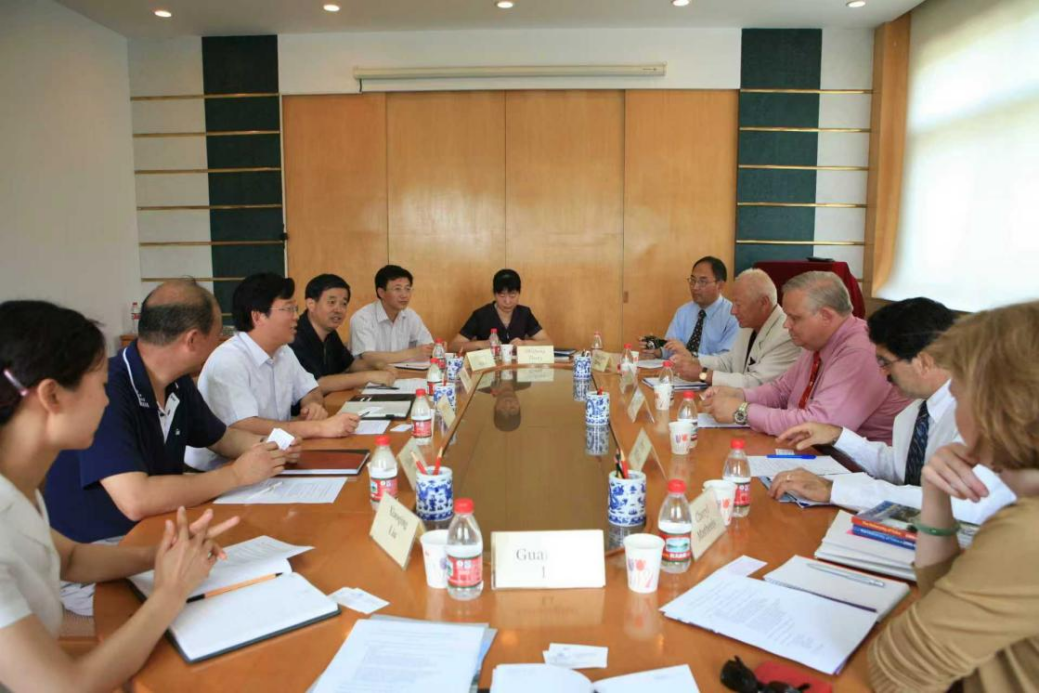
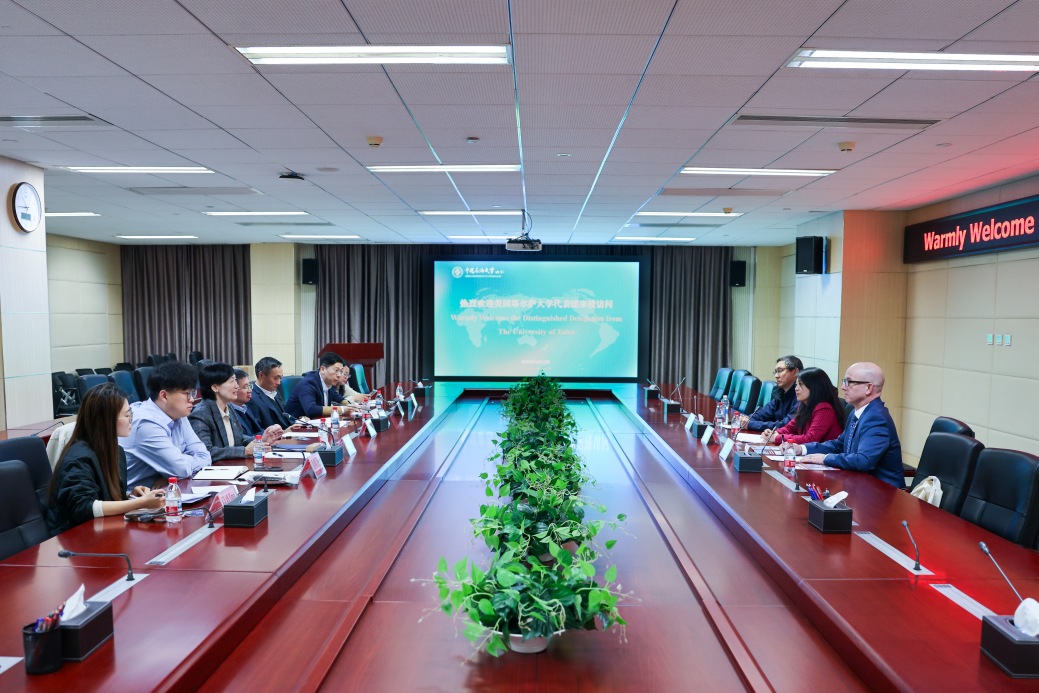
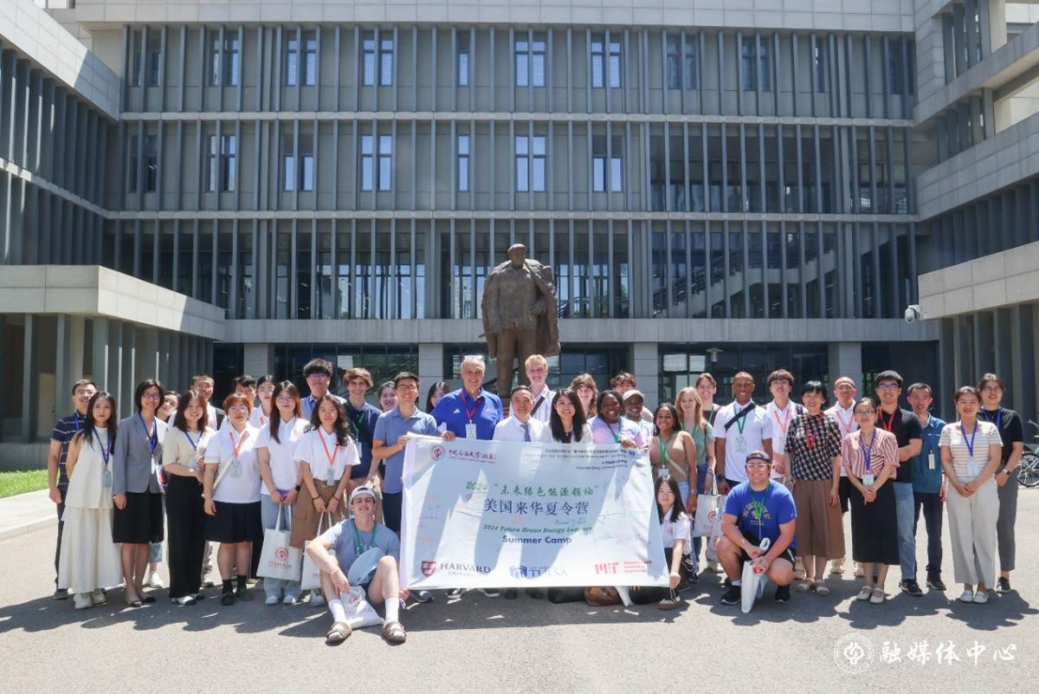
Cooperation between CUP and the University of Tulsa dates back to 2007 and has expanded across education, research collaboration, talent cultivation, and faculty development.. In 2025, the two universities signed a cooperation agreement, reaching a consensus on jointly applying for the establishment of the CUP-Tulsa IEC.
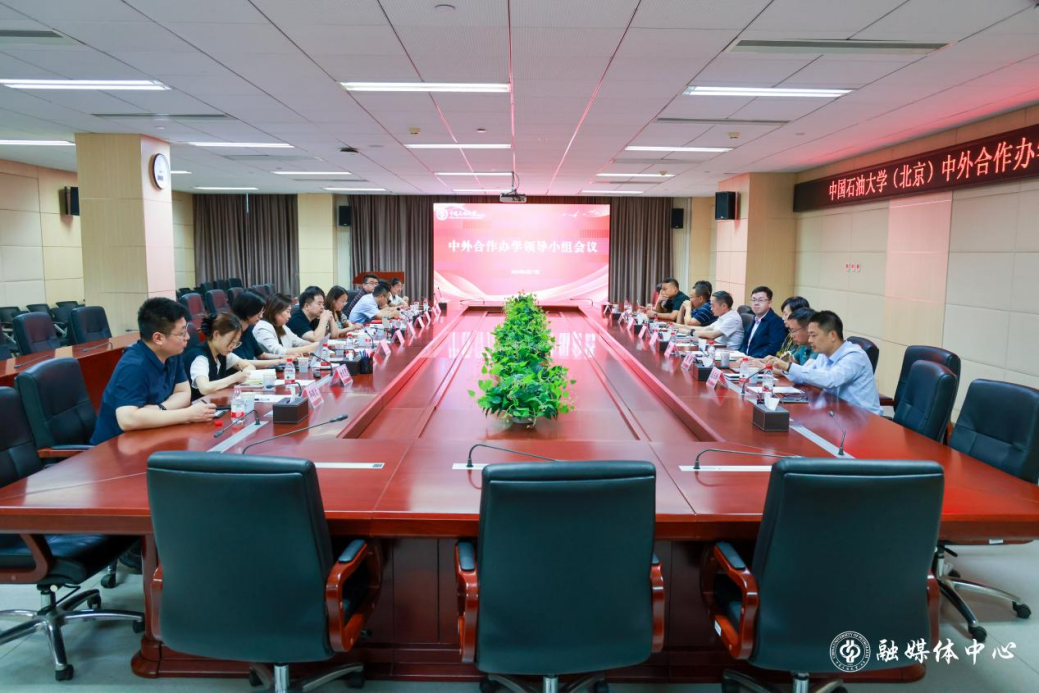
The application process for the college received high support from both universities. CUP established an effective working mechanism, strengthened overall coordination and inter-departmental collaboration. Through multiple rounds of discussions and bilateral consultations to refine the curriculum plan, strengthen the course system, and optimize the cooperation agreement, leading to the successful completion of the college’s development plan.
The establishment of the CUP-Tulsa IEC represents a significant initiative by CUP to actively serve the national energy strategy and the socio-economic development of the capital city, as well as to deepen high-level opening-up in education. Furthermore, CUP will leverage this college as a key platform to continuously expand its international education landscape, promote the deep integration of traditional strength disciplines with emerging cross-cutting technologies, contribute to the “Double First-Class” initiative in the new era, and accelerate its progress towards becoming a world-class research university with distinctive features in the energy sector.